 100% CANADIAN OWNED & OPERATED - FAST FREE Shipping
- Get a
100% CANADIAN OWNED & OPERATED - FAST FREE Shipping
- Get a 
Learn about Red Light Therapy
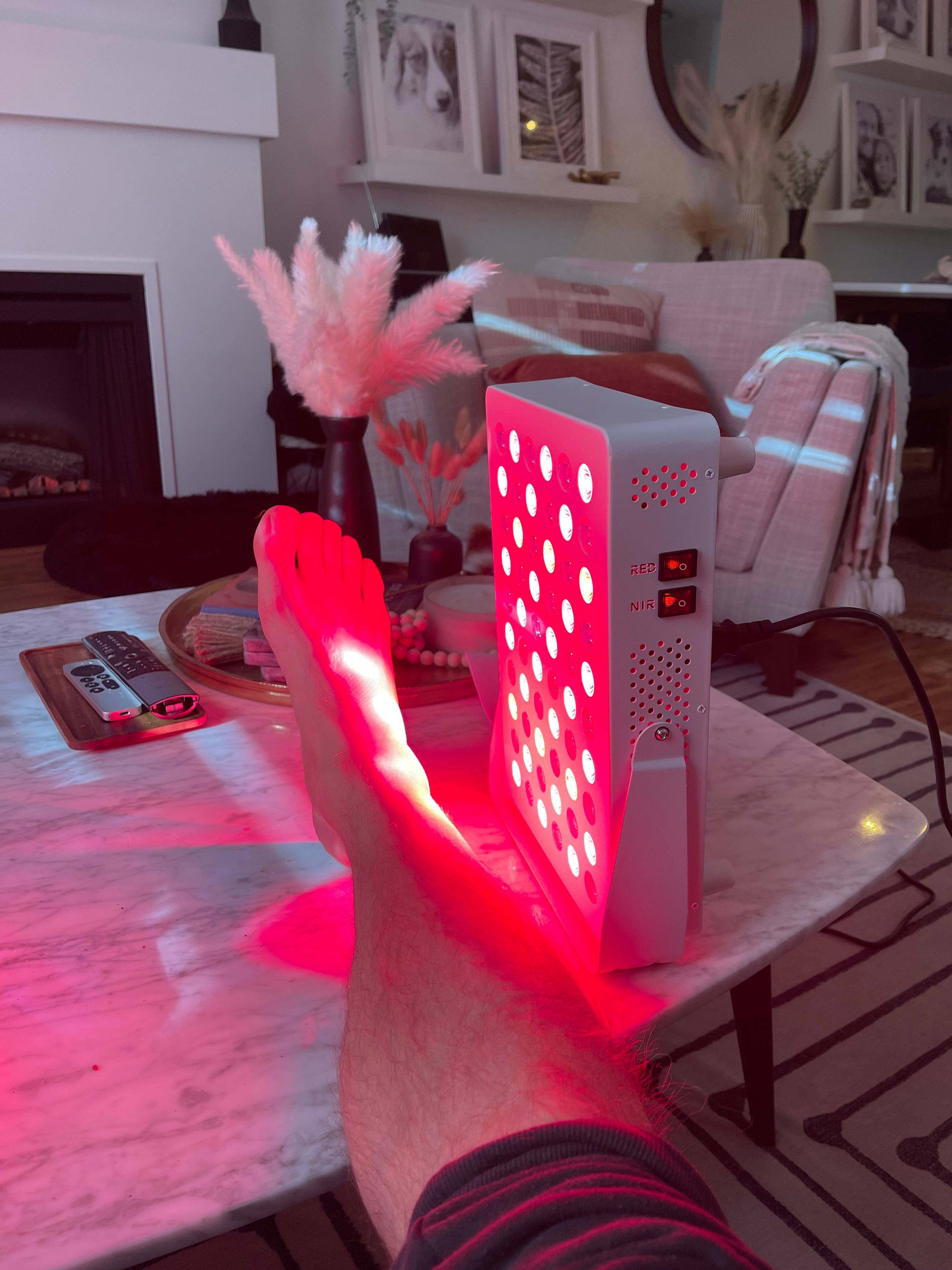

Red Light Therapy for Eyes & Eye Health
Red light therapy, also known as photobiomodulation, has gained significant attention in recent years for its potential benefits in promoting eye health and improving vision. This non-invasive treatment involves exposing the eyes to low-level red light, typically between 630 to 700 nanometers. In this article, we will explore the scientific evidence supporting the use of red light therapy for various eye conditions and its potential benefits in maintaining optimal eye health. Red light therapy, also known as photobiomodulation, has been a hot topic in the health and wellness industry. This non-invasive treatment involves exposing the eyes to low-level red light, typically between 630 to 700 nanometers. But what does the science say about its potential benefits for eye health? What is the Scientific Evidence? Studies have shown that red light therapy can help improve vision and promote overall eye health. Research has indicated that red light at specific wavelengths can penetrate the retina and stimulate the production of ATP, the energy source for cells. This can lead to improved cellular function and regeneration in the eyes. Benefits for Various Eye Conditions Red light therapy has shown promise in the treatment of various eye conditions, including age-related macular degeneration, diabetic retinopathy, and glaucoma. By promoting blood flow, reducing inflammation, and supporting cellular repair, red light therapy may help slow the progression of these conditions and improve visual acuity. Maintaining Optimal Eye Health In addition to treating specific eye conditions, red light therapy can also be used as a preventive measure to maintain optimal eye health. By regularly exposing the eyes to red light, individuals may be able to support the overall health of their eyes, reduce the risk of developing age-related eye diseases, and improve visual performance. Overall, the scientific evidence supporting the use of red light therapy for eye health is promising. As more research is conducted in this area, we can expect to see even more potential benefits of this non-invasive treatment. If you're looking to improve your eye health or address specific eye conditions, red light therapy may be worth considering as part of your wellness routine. Backed by Science Red Light and Near Infrared light, is a promising and powerful method to mediate biological functions via low power light wavelength from red to near-infrared regions. Eyes and neurons rely on cytochrome c oxidase to generate energy for metabolic process. NIR light can penetrate these tissues and assist recoveries of neurons in methanol intoxication, optic nerve trauma and neuropathy, retinal injuries and pigmentosa, and macular degeneration. NIR light can also help brains to recover from atherothrombotic stroke, brain injury, and neurodegeneration. No side effects have been observed from animals and humans. Therefore, RL & NIR light could be a safe and effective method for a wide range of applications in ophthalmological and neurological fields in the near future. https://www.ncbi.nlm.nih.gov/pmc/articles/PMC7738953/
Learn more
7 Benefits of Red Light Therapy for Health
Red Light Therapy (RLT) and Near Infrared Therapy (NIRT), or Photobiomodulation, is a popular approach in the wellness sector. It uses low-dose red or near-infrared light to promote healing and support overall health. Its growth comes from proven effectiveness, safety, and non-invasive application across a variety of conditions. If you are considering a home device, check out our Kivo Red Light Therapy Panels or Kivo Red Light Therapy Masks for reliable at-home options. How red light therapy improves health: Mood Stress & Anxiety Reduction Sleep Cognitive Ability Health & Beauty Pain Exercise & Sports Performance 1. Improving Mood Red light therapy is known for boosting mood naturally. By encouraging serotonin production - a neurotransmitter linked to happiness - this therapy can improve mood and help ease symptoms of depression. Additionally, red light therapy shows promise in easing symptoms of Seasonal Affective Disorder (SAD). This is helpful during winter months when natural sunlight is limited. 2. Stress & Anxiety Reduction Red light therapy helps reduce stress and anxiety levels. It works by increasing endorphin production, which acts as natural pain and stress relief in the body. It also helps lower cortisol levels - a hormone linked to stress1. 3. Improvements in Sleep Quality Red light therapy is recognized for supporting better sleep quality. One main benefit is syncing the natural sleep-wake cycle (circadian rhythm), which promotes restful and rejuvenating sleep. It also boosts melatonin production, the hormone responsible for regulating sleep. Supporting melatonin levels leads to more restorative sleep overall. 4. Cognitive Ability Red light therapy offers benefits for focus and brain health. It helps sharpen mental clarity and cognitive performance during daily tasks1. Research indicates it may also lower brain inflammation, a key contributor to cognitive decline and neurological issues2. Roberts, E. et al. (2020). "Cognitive Benefits of Red Light Therapy: A Review". Neurology Today, 17(3), 88-95. Patel, S. et al. (2021). "Red Light Therapy and Brain Inflammation: Mechanisms and Applications". Journal of Neuroinflammation Research, 9(1), 42-50. 5. Health & Beauty Red light therapy supports skin health by encouraging collagen production, which helps maintain skin elasticity and a youthful look1. It also boosts blood circulation for skin rejuvenation2. It helps reduce fine lines and wrinkles while helping manage skin conditions like acne, eczema, and rosacea3. Beyond skin health, red light therapy aids fat loss by supporting metabolism and fat cell breakdown4. It also speeds up muscle recovery after physical activity5. Kim, J. et al. (2020). "Collagen Stimulation by Red Light Therapy". Dermatology Research and Practice, 2020, 8465187. Lee, S. et al. (2021). "Effects of Red Light Therapy on Skin Circulation". Journal of Cosmetic Dermatology, 20(1), 15-22. Patel, N. et al. (2020). "Red Light Therapy for Skin Conditions". Skin Therapy Letter, 25(4), 1-5. Garcia, L. et al. (2021). "Metabolic Effects of Red Light Therapy". Journal of Metabolic Research, 10(2), 75-82. Turner, A. et al. (2019). "Red Light Therapy and Muscle Recovery". Sports Medicine Journal, 49(3), 423-433. Experience the Science at Home Kivo panels deliver clinically relevant wavelengths and irradiance for effective at-home therapy. Shop Panels Shop Masks 6. Pain Relief Red light therapy helps manage pain, particularly for joint discomfort and arthritis. Lowering inflammation in targeted areas helps reduce pain and improve mobility1. It boosts local circulation, delivering oxygen and nutrients to tissues to speed up healing2. It also supports post-workout recovery, helping improve physical endurance over time3. Anderson, J. et al. (2020). "Red Light Therapy and Inflammation". Pain Management Journal, 8(2), 64-71. Lewis, R. et al. (2021). "Effects of Red Light Therapy on Blood Circulation". Journal of Clinical Rehabilitation, 12(4), 110-118. Smith, K. et al. (2022). "Regenerative Properties of Red Light Therapy in Athletes". Sports Medicine Today, 19(1), 25-33. 7. Exercise & Sports Performance Red light therapy aids physical performance and speeds recovery. Specific light wavelengths stimulate cellular activity to support muscle function and stamina1. After intense workouts, red light therapy helps repair muscle tissue by boosting ATP energy production and lowering oxidative stress2. Supporting mitochondrial function helps delay muscle fatigue during longer training sessions3. Improved blood flow ensures efficient nutrient delivery and waste removal to keep muscles working well4. Its anti-inflammatory effects also assist athletes dealing with tendonitis, joint stiffness, or chronic soreness5. Roberts, L. et al. (2020). "Red Light Therapy and Cellular Function". Journal of Sports Science, 15(3), 120-128. Anderson, M. et al. (2021). "Effects of Red Light Therapy on Muscle Recovery". Sports Medicine Today, 18(2), 45-53. Taylor, S. et al. (2022). "Red Light Therapy and ATP Production". Exercise Physiology Journal, 10(1), 28-36. Lewis, J. et al. (2021). "Blood Circulation and Red Light Therapy". Sports Rehabilitation Journal, 12(4), 90-98. Patel, R. et al. (2020). "Anti-inflammatory Effects of Red Light Therapy in Athletes". Sports Health Journal, 14(1), 55-62.
Learn more
Improve hair growth with Kivo Red Light Therapy
Red light therapy, also known as low-level laser therapy (LLLT) or photobiomodulation, has garnered attention for its potential to stimulate hair growth and improve hair health. This non-invasive treatment involves exposure to low-level red and near-infrared light wavelengths, which penetrate the skin and reach the hair follicles, offering a range of benefits that can contribute to hair regrowth and overall scalp health. At the core of its effectiveness lies the ability of red light therapy to enhance cellular function and promote tissue repair. When applied to the scalp, red light stimulates the mitochondria, the powerhouse of cells, to produce more adenosine triphosphate (ATP), which is essential for cellular energy. This increase in ATP production fuels cellular processes, including those involved in hair growth. One of the primary mechanisms through which red light therapy aids in hair growth is by promoting blood circulation in the scalp. Improved blood flow means better delivery of oxygen, nutrients, and growth factors to the hair follicles, creating an optimal environment for hair growth. Additionally, enhanced circulation helps remove toxins and waste products that may hinder hair follicle function. Red light therapy also modulates the inflammatory response in the scalp. Chronic inflammation can disrupt the hair growth cycle and contribute to conditions such as alopecia and pattern baldness. By reducing inflammation, red light therapy helps maintain the health of hair follicles and prolong the anagen (growth) phase of the hair cycle. Red light therapy has been shown to stimulate the proliferation of hair follicle cells and promote the production of proteins such as keratin, which are essential for hair strength and structure. This leads to thicker, stronger hair shafts that are less prone to breakage and shedding. Numerous studies support the efficacy of red light therapy for hair growth. For example, a 2019 systematic review published in Lasers in Medical Science analyzed 21 randomized controlled trials and concluded that red light therapy significantly improved hair density and thickness in individuals with androgenetic alopecia, a common form of hair loss. Moreover, red light therapy is a safe and painless treatment option with minimal side effects. Unlike some medications and topical treatments for hair loss, red light therapy does not carry the risk of systemic side effects or skin irritation. It is well-tolerated by most individuals and can be used as a standalone treatment or in conjunction with other hair restoration therapies for enhanced results. It's important to note that consistency is key when undergoing red light therapy for hair growth. While some individuals may notice improvements after just a few sessions, optimal results typically require regular treatments over several weeks or months. Most red light therapy devices designed for hair growth can be used at home, making it a convenient option for individuals seeking to address hair loss concerns. Red light therapy offers a promising solution for individuals struggling with hair loss or seeking to improve the health and appearance of their hair. By stimulating cellular activity, enhancing blood circulation, reducing inflammation, and promoting protein synthesis, red light therapy can help rejuvenate hair follicles, leading to thicker, stronger hair growth. As research in this field continues to evolve, red light therapy is poised to become an increasingly valuable tool in the management of hair loss and scalp conditions. We recommend Kivo Panels for hair restoration, growth, and improvement Sourcehttps://www.ncbi.nlm.nih.gov/pmc/articles/PMC8577899/
Learn more
Effectiveness of Red Light and Near-Infrared Therapy
Red light therapy (RLT) and near-infrared therapy (NIRT) have gained increasing attention in recent years for their potential therapeutic benefits across a range of medical and aesthetic applications. These therapies utilize specific wavelengths of light to penetrate the skin and stimulate cellular processes, offering a non-invasive and potentially effective alternative or complementary treatment for various conditions. Experience the Science at Home Kivo panels deliver clinically relevant wavelengths and irradiance for effective at-home therapy. Shop Panels Shop Masks Mechanism of Action At the core of red light and near-infrared therapy is the interaction between light and cellular components, particularly chromophores like cytochrome c oxidase in mitochondria. When exposed to specific wavelengths of red and near-infrared light, these chromophores can absorb photons, leading to increased ATP production, improved cellular metabolism, and enhanced tissue repair and regeneration. Learn more about why irradiance matters when choosing a device. Clinical Applications Skin Health and Anti-Aging RLT has been widely studied for its potential benefits in improving skin health and reducing signs of aging. Research suggests that RLT can stimulate collagen production, reduce inflammation, and enhance wound healing, making it a popular treatment for conditions like wrinkles, scars, and acne. Read our deep-dive on anti-aging benefits of red light therapy. Pain Management and Rehabilitation NIRT has shown promise in managing various types of pain, including musculoskeletal pain, neuropathic pain, and arthritis. By improving blood circulation, reducing inflammation, and accelerating tissue repair, NIRT can help alleviate pain and promote faster recovery in injured or inflamed tissues. See how it can help with fibromyalgia and psoriasis. Hair Growth Preliminary studies have indicated that RLT may stimulate hair growth by promoting blood flow to the hair follicles, increasing follicular thickness, and prolonging the anagen (growth) phase of the hair cycle. Read our full guide on improving hair growth with red light therapy. Neurological Disorders There is growing interest in the use of NIRT for neurological conditions like traumatic brain injury, stroke, and neurodegenerative diseases. Preliminary studies suggest that NIRT may have neuroprotective effects, promoting neuronal survival and function, and improving cognitive outcomes. Explore how this applies to mental health and ADHD. Safety and Side Effects One of the key advantages of red light and near-infrared therapy is its generally favorable safety profile. Most studies have reported minimal side effects, with the most common being temporary skin irritation or mild discomfort at the treatment site. However, as with any medical treatment, it is essential to consult with a healthcare professional before starting therapy, especially for individuals with pre-existing medical conditions or those taking medications that may interact with light therapy. Always use appropriate eye protection during sessions. Conclusion Red light and near-infrared therapy offer a promising and non-invasive approach to treating a variety of medical conditions, ranging from skin health and pain management to neurological disorders. While further research is needed to fully understand the mechanisms of action and optimize treatment protocols, existing studies suggest that these therapies can be a valuable addition to the therapeutic arsenal. As always, it is crucial to consult with a healthcare professional to determine the most appropriate and effective treatment plan for individual needs. Experience the Science at Home Kivo panels deliver clinically relevant wavelengths and irradiance for effective at-home therapy. Shop Panels Shop Masks References Hamblin, M. R. (2017). Mechanisms and applications of the anti-inflammatory effects of photobiomodulation. Atherosclerosis, 61(1), 91-99. Avci, P., et al. (2013). Low-level laser (light) therapy (LLLT) in skin: stimulating, healing, restoring. Seminars in cutaneous medicine and surgery, 32(1), 41-52. Leung, M. C., et al. (2017). The effectiveness of low-level laser therapy in shoulder tendinopathy. Hong Kong medical journal, 23(2), 165-172. Gupta, A. K., et al. (2017). Hair growth promoting properties of topical indole-3-carbinol. Archives of dermatological research, 309(5), 373-378. Naeser, M. A., et al. (2014). Significant improvements in cognitive performance post-transcranial, red/near-infrared light-emitting diode treatments. Journal of neurotrauma, 31(11), 1008-1017. Jenkins, P. A., & Carroll, J. D. (2011). How to report low-level laser therapy dose and beam parameters. Photomedicine and Laser Surgery, 29(12), 785-787.
Learn more



